
The Hidden Risks Behind Rapid Weight Loss
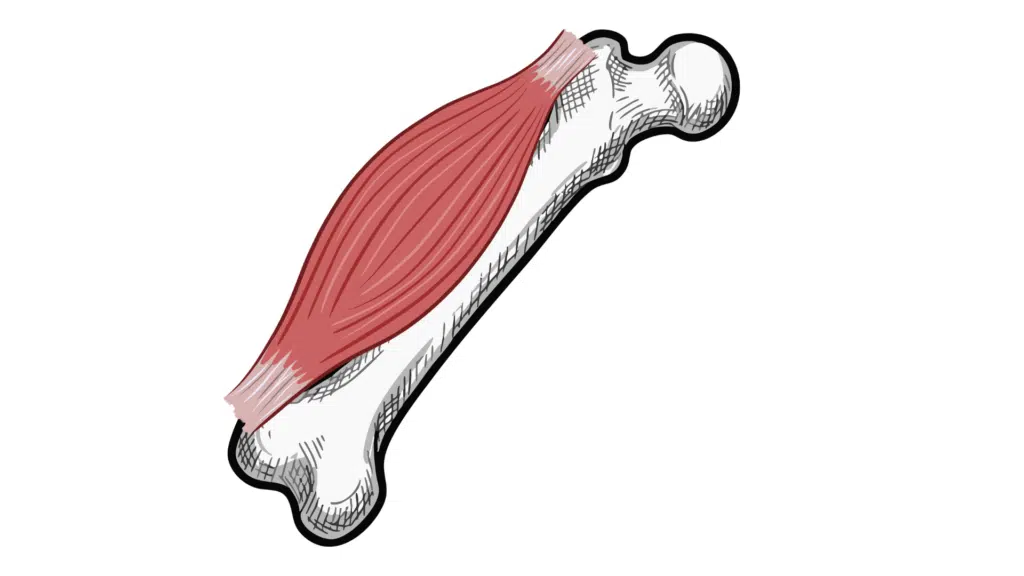
GLP-1 receptor agonists (GLP-1RAs), including semaglutide, have rapidly become central to the management of obesity and type 2 diabetes, delivering substantial and sustained weight loss alongside important cardiometabolic benefits. However, rapid weight loss does not often equate to healthy weight loss. A meaningful proportion of weight reduction achieved with these therapies is not limited to adipose tissue. Evidence suggests that approximately 25–30% of total weight lost may come from lean tissues, including skeletal muscle and bone. This distinction is clinically significant, as reductions in lean mass have direct implications for strength, mobility, and overall metabolic health.
“Rapid weight loss does not automatically mean healthy weight loss—especially when muscle and bone, strength and structure are part of what is being lost.”
Why Lean Mass Loss Matters for Patients
For patients and clinicians this issue extends beyond body composition to functional outcomes. Loss of muscle and bone contributes to reduced physical capacity, increased frailty, and a higher risk of adverse events, particularly among older adults, people who are sedentary, individuals with sarcopenia, and those living with mobility limitations. Individuals with age-related anabolic resistance, inadequate protein intake, food insecurity, or low levels of physical activity are especially vulnerable. As such, the potential long-term consequences of lean mass loss must be considered when initiating and monitoring GLP-1RA treatment.
Current Gaps in GLP-1 Clinical Monitoring
These concerns highlight important gaps in the clinical assessment conducted outside of a bariatric or obesity management program. Weight and body mass index remain the dominant metrics used to evaluate weight loss treatment success, yet they fail to capture critical changes in lean mass and bone integrity. Similarly, functional outcomes such as strength, mobility, and independence are often under-assessed, despite being central to patient quality of life. Nutritional status and exercise behaviours are equally important to health status but are frequently overlooked by patients as foundational influences on health. Without a broader evaluation framework, doctors and clinicians may inadvertently overlook clinically meaningful declines in physical function and patients may suffer as a result.
Important To Note: The scale can confirm weight loss, but it cannot show whether patients are losing fat, muscle, bone, strength or functional capacity.
A More Comprehensive Approach to Care
A shift in our approach to care is required: one that offers a comprehensive individual assessment and integrates targeted nutrition and exercise strategies alongside pharmacotherapy and behavioural supports. Adequate protein intake, distributed evenly across meals, plays a key role in supporting muscle protein synthesis during periods of weight loss. Diet quality should be assessed, monitored, and supported by Registered Dietitians to maintain or enhance overall health as the body adapts to reduced energy intake. Resistance exercise is a critical intervention for preserving muscle mass, function, and quality of life, and low-load, high-effort training protocols have been shown to be both effective and accessible, particularly for older or frail individuals. Support for safe, prescribed access to resistance exercise is not yet available to everyone.
“Protecting muscle and bone should be considered part of successful obesity and diabetes care—not an optional add-on.”
Key Priorities for Protecting Muscle and Bone
- Assess beyond weight and BMI: Include lean mass, bone health, strength, mobility, and functional capacity where possible.
- Identify higher-risk patients early: Pay close attention to older adults, sedentary individuals, those with sarcopenia, food insecurity, inadequate protein intake, or mobility limitations.
- Prioritize nutrition support: Ensure adequate protein intake and overall diet quality with support from Registered Dietitians.
- Integrate resistance exercise: Encourage safe, accessible, and appropriately prescribed resistance training to help preserve strength and function.
The Bottom Line: Weight Loss Should Support Long-Term Health
GLP-1 receptor agonists are transforming the therapeutic landscape of obesity and diabetes, but their impact on muscle and bone remains under-managed in routine practice. There is an urgent need to adopt a more nuanced, patient-centered approach that includes assessment of lean mass, bone health, and functional capacity. Early and proactive intervention with nutrition and resistance exercise should be standard components of care, particularly for those at greatest risk. As the use of these medications continues to expand, protecting muscle and bone must become a priority to ensure that weight loss translates into positive, meaningful, and sustainable health benefits.
Michelle Archer, RD, CDE
Diabetes Training 101 Inc.